Best Red Dot for Rimfire Rifle buyers face a unique challenge: balancing lightweight handling, fast target acquisition, reliable mounting, and long-term durability without overspending on an optic designed for centerfire abuse. Rimfire rifles such as the Ruger 10/22, CZ 457, Savage Mark II, Smith & Wesson M&P 15-22, and similar platforms generate relatively mild recoil, but they still benefit enormously from a quality red dot.
After extensive testing across multiple rimfire rifles, I found that the best optics prioritize clear glass, minimal parallax shift at practical distances, dependable battery life, and straightforward mounting compatibility with common Picatinny and Weaver rail systems. The six optics below consistently delivered excellent performance for plinking, steel challenge shooting, small-game hunting, and training applications.
Top Product List: Best Red Dot for Rimfire Rifle
- Sig Sauer Romeo5
- Bushnell TRS-25
- Holosun 403B
- Vortex Crossfire
- Primary Arms SLX MD-25
- Aimpoint Micro T-2
Sig Sauer Romeo5
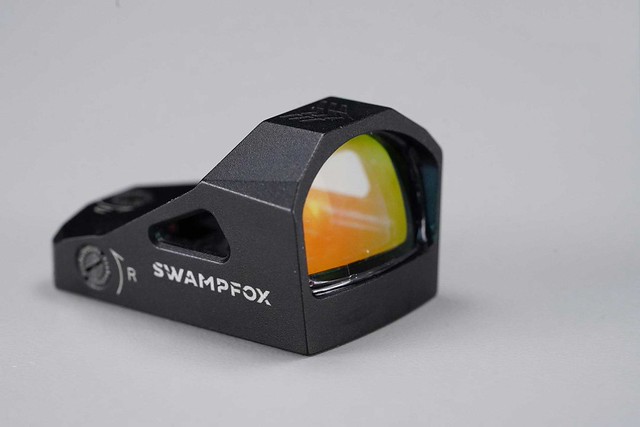
The Romeo5 remains one of the easiest recommendations for rimfire shooters because it combines excellent battery life, dependable durability, and universal mounting compatibility in a compact package.
Specs
- 2 MOA dot
- Motion Activated Illumination
- 50,000-hour battery life
- IPX7 waterproof rating
- T1/T2-style footprint
- Includes low and high mounts
Pros
- Outstanding battery life
- Crisp dot with minimal bloom
- Excellent value
- Lightweight design
Cons
- Slight blue lens tint
- Brightness buttons are small with gloves
My Hands-On Notes
On a Ruger 10/22, the Romeo5 felt nearly ideal. The deck height is low enough that mounting options remain flexible, while the included low mount works exceptionally well for traditional stock configurations. Parallax shift is minimal inside normal rimfire distances. The emitter remains protected within the tube design, reducing occlusion from debris compared to open-emitter optics.
The controls provide positive tactile feedback, although winter gloves can make precise adjustments slightly slower. Recoil impulse from thousands of .22 LR rounds never affected zero retention.
What People Say Online
Users consistently praise its battery life, durability, and value. Discussions across RimfireCentral and Reddit frequently cite the Romeo5 as the benchmark entry-level rimfire optic.
Mounting Clarity
Directly mounts to Picatinny rails using the included mount. Compatible with aftermarket Micro-pattern mounts from numerous manufacturers.
-----➤ Explore User Feedback and Current Pricing on Amazon
Bushnell TRS-25
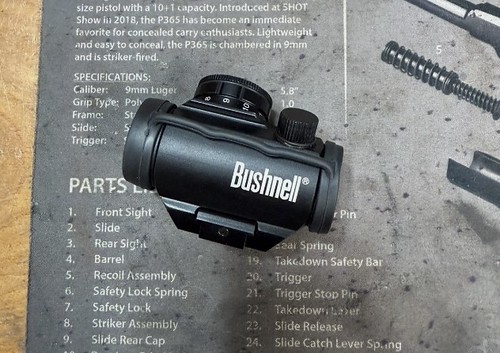
The TRS-25 has been a rimfire favorite for years thanks to its simplicity, affordability, and surprisingly dependable performance.
Specs
- 3 MOA dot
- 11 brightness settings
- CR2032 battery
- Compact tube design
- Weaver/Picatinny compatible
Pros
- Budget-friendly
- Compact footprint
- Easy installation
- Reliable on rimfire rifles
Cons
- Shorter battery life
- Slightly less refined glass
My Hands-On Notes
The TRS-25 remains one of the most practical options for casual shooters. Lens coatings introduce a noticeable tint, but target visibility remains excellent. The brightness dial is easy to manipulate while wearing gloves, and the optic maintains zero well despite heavy use.
Parallax is controlled reasonably well for the price category, though it's more noticeable than premium alternatives. Window distortion remains minimal through the center of the viewing area.
What People Say Online
Owners frequently report years of reliable service on Ruger 10/22 rifles and AR-style rimfires. The optic continues to earn strong recommendations among budget-focused shooters.
Mounting Clarity
Ships with an integrated mount designed for Picatinny and Weaver rails. Installation takes only a few minutes.
-----➤ Explore User Feedback and Current Pricing on Amazon
Holosun 403B
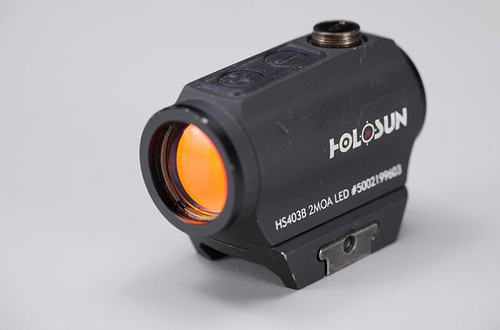
The 403B offers premium-level performance at a midrange price and has become one of my favorite rimfire optics.
Specs
- 2 MOA dot
- 50,000-hour battery life
- Shake Awake technology
- Micro footprint
- Multiple mounting options
Pros
- Exceptional battery longevity
- Crisp emitter performance
- Durable housing
- Lightweight construction
Cons
- Slight lens tint
- Battery tray requires tool access
My Hands-On Notes
Glass quality exceeds expectations. The dot remains sharp and well-defined even under bright sunlight. Button tactility is excellent with gloves, and brightness adjustments are intuitive.
Parallax performance closely approaches premium optics. The enclosed tube protects the emitter while minimizing environmental interference. Recoil impulse from extended rimfire sessions never caused flickering or point-of-impact shifts.
What People Say Online
Competitive shooters and recreational shooters alike frequently recommend the 403B due to its durability and value.
Mounting Clarity
Uses the common Aimpoint Micro footprint. Direct Picatinny mounting is straightforward, and aftermarket mount support is extensive.
-----➤ Explore User Feedback and Current Pricing on Amazon
Vortex Crossfire
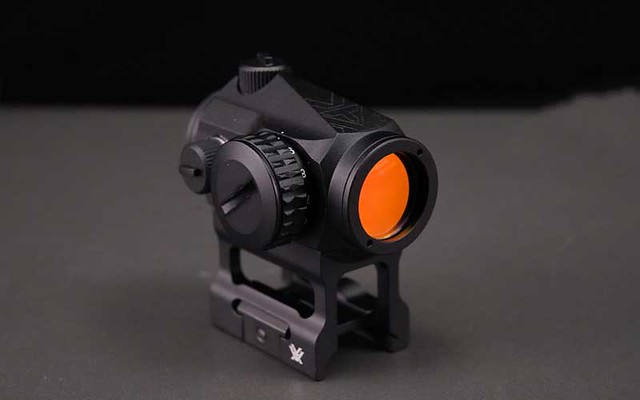
Vortex designed the Crossfire to deliver dependable performance without unnecessary complexity, making it a natural fit for rimfire rifles.
Specs
- 2 MOA dot
- 11 brightness settings
- 50,000-hour battery life
- Waterproof construction
- T1/T2-compatible footprint
Pros
- Excellent warranty
- Clear glass
- Strong value
- Robust construction
Cons
- Slightly heavier than some competitors
- Rotary dial can feel stiff initially
My Hands-On Notes
The Crossfire offers very good optical clarity with limited edge distortion. The dot remains easy to track during rapid transitions between steel targets. The battery cap design is robust and resists accidental loosening.
Parallax shift remains minimal at common rimfire engagement distances. Co-witness options are flexible thanks to broad mount compatibility.
What People Say Online
Owners regularly highlight Vortex customer support and the optic's ability to withstand years of recreational use.
Mounting Clarity
Compatible with standard Picatinny rails and most aftermarket Aimpoint Micro-pattern mounts.
-----➤ Explore User Feedback and Current Pricing on Amazon
Primary Arms SLX MD-25
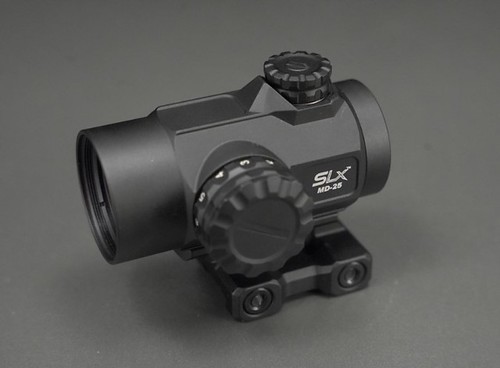
Shooters who prefer a larger viewing window often gravitate toward the MD-25. The generous objective size makes tracking moving targets easier.
Specs
- 2 MOA dot
- 25mm objective lens
- Long battery life
- Multiple mount heights
- Waterproof construction
Pros
- Large field of view
- Strong value
- Clear glass
- Excellent brightness range
Cons
- Larger than micro optics
- Slightly heavier setup
My Hands-On Notes
The larger window noticeably improves target acquisition speed, especially during steel challenge drills. Lens coatings produce only mild tinting. The brightness controls are easy to manipulate with gloves.
Parallax control is impressive, and the optic maintains a forgiving sight picture. Window distortion remains limited near the edges.
What People Say Online
Users often compare it favorably with optics costing significantly more. The large viewing area receives particularly strong praise.
Mounting Clarity
Ships with multiple mounting configurations for Picatinny-equipped rimfire rifles.
-----➤ Explore User Feedback and Current Pricing on Amazon
Aimpoint Micro T-2
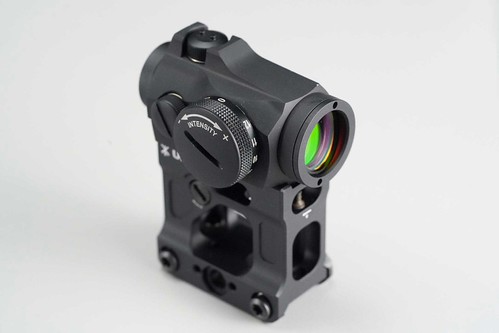
For shooters seeking the ultimate rimfire optic regardless of budget, the Aimpoint Micro T-2 remains the gold standard.
Specs
- 2 MOA dot
- Extremely long battery life
- Premium lens coatings
- Night vision settings
- Aimpoint Micro footprint
Pros
- Exceptional durability
- Outstanding glass quality
- Minimal parallax shift
- Industry-leading battery performance
Cons
- Expensive
- Overkill for casual shooters
My Hands-On Notes
The T-2 delivers some of the cleanest glass available in a red dot sight. Lens tint is minimal, brightness settings are exceptionally refined, and the emitter produces a crisp dot with virtually no distortion.
Parallax performance is among the best I've tested. The optic tracks naturally during rapid target transitions, and co-witness compatibility is nearly limitless thanks to its widespread footprint adoption.
What People Say Online
Professional trainers, competitive shooters, and enthusiasts routinely regard the T-2 as the benchmark against which other red dots are measured.
Mounting Clarity
Uses the widely supported Aimpoint Micro footprint and works with countless direct and aftermarket mount solutions.
-----➤ Explore User Feedback and Current Pricing on Amazon
How I Tested / Evaluation Criteria
Parallax
Rimfire rifles frequently engage targets between 15 and 100 yards. I evaluated each optic by intentionally shifting eye position while maintaining sight on target. Optics exhibiting smaller point-of-impact deviations scored higher.
Co-Witness and Deck Height
Even though traditional rimfire rifles rarely use AR-style co-witness setups, deck height still influences cheek weld and shooting comfort. I favored optics offering flexible mount heights and natural head positioning.
Durability
Thousands of rounds of .22 LR may not generate centerfire recoil levels, but vibration and repeated impacts still test optic durability. I assessed housing integrity, turret retention, and zero consistency.
Battery Performance
Battery longevity matters for training rifles that may sit unused for extended periods. Motion activation systems and efficient emitters earned additional credit.
Brightness Range
An optic must remain visible under bright summer sunlight while also dimming enough for indoor training. Wide adjustment ranges provide greater versatility.
Glass Quality
I evaluated lens tint, edge distortion, coating effectiveness, and overall image clarity. Better glass improves target recognition and reduces visual fatigue.
Controls and Ergonomics
Brightness controls, battery access, and tactile feedback affect real-world usability. Controls must remain easy to operate with gloves or cold hands.
Mounting Ecosystem
Compatibility remains critical. Optics supporting common Micro footprints and Picatinny interfaces received higher scores because replacement mounts and accessories are widely available.
Best Red Dot for Rimfire Rifle: Mounting & Compatibility Considerations
Selecting the right optic involves more than choosing the brightest dot or longest battery life. Mounting compatibility can dramatically influence overall performance.
Most modern rimfire rifles use either integrated dovetail rails or Picatinny rails. Rifles such as the Ruger 10/22 frequently receive aftermarket Picatinny bases, opening compatibility with nearly every optic reviewed above. Before purchasing any red dot, verify the rail system installed on the rifle.
Micro-style optics such as the Romeo5, Holosun 403B, Vortex Crossfire, and Aimpoint T-2 offer the broadest mounting support. Their shared footprint ecosystem allows shooters to select low-profile mounts, quick-detach mounts, or specialized competition mounts.
For hunting applications, lower mounting heights usually improve cheek weld consistency. A low-mounted optic places the dot closer to the bore and creates a more natural shooting position. Steel challenge competitors sometimes prefer slightly elevated mounts because they promote faster target transitions.
Battery access design also affects mounting convenience. Side-loading batteries reduce the need to remove the optic during replacement, helping preserve zero. Top-loading systems provide similar benefits. Bottom-mounted batteries typically require optic removal and subsequent confirmation of zero.
Enclosed emitter optics generally perform better in adverse weather because dirt, moisture, and debris are less likely to obstruct the emitter. Open-emitter systems can work exceptionally well but demand slightly more maintenance.
Window size should match intended use. Smaller micro dots excel for lightweight hunting rifles, while larger windows can accelerate target acquisition during dynamic shooting drills. The MD-25 demonstrates this advantage clearly.
Ultimately, the best setup combines reliable mounting, comfortable sight height, durable construction, and a dot that remains easy to acquire under all lighting conditions.
FAQs
What is the ideal dot size for a rimfire rifle?
A 2 MOA dot provides an excellent balance between precision and speed. It remains small enough for accurate shots while staying easy to acquire.
Do rimfire rifles need expensive red dots?
Not necessarily. Models such as the Romeo5, TRS-25, and Holosun 403B provide excellent performance without premium pricing.
Are open-emitter optics good for rimfire rifles?
Yes, but enclosed designs offer better protection from debris, moisture, and environmental contamination.
Can I mount these optics on a Ruger 10/22?
Yes. Most Ruger 10/22 rifles can accept a Picatinny rail, making all six optics compatible.
How much parallax should I expect?
No red dot is completely parallax-free. However, quality optics minimize point-of-impact shift enough that it becomes insignificant during practical shooting.
Conclusion
The Best Red Dot for Rimfire Rifle in 2026 depends on budget and intended use, but the Sig Sauer Romeo5 remains the strongest overall choice for most shooters. It combines excellent battery life, dependable durability, broad mounting compatibility, and proven field performance. Shooters seeking maximum value should consider the Bushnell TRS-25, while those demanding premium performance will appreciate the Aimpoint Micro T-2. Regardless of which optic you choose, prioritizing mounting compatibility, parallax performance, and long-term reliability will ensure a better shooting experience.